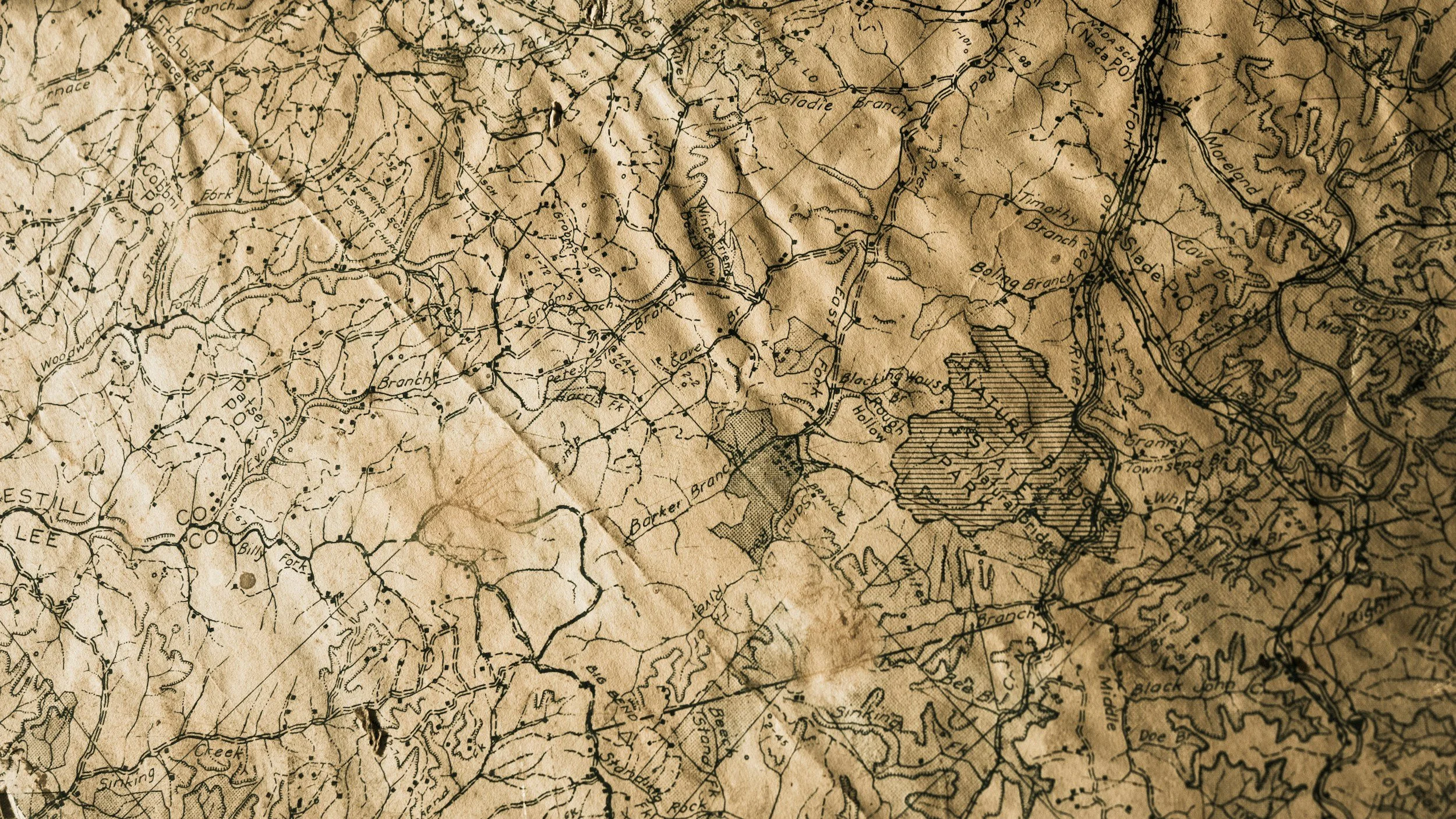
Artifacts of the Etherfolk: Embroidered Maps, Prints & Beyond
Before objects were disposable, they were symbolic. Maps carried myth. Textiles held time. Etherfolk artifacts draw from this older lineage—embroidered cartographies, printed cosmologies, and symbolic designs that function not as merchandise, but as narrative objects. Each piece invites a slower way of seeing, where myth, craft, and imagination converge.

Flat Earth Through Art: Interpreting the Dome Cosmology
Before science measured the sky, art gave it meaning. Flat earth cosmology once shaped maps, myths, and architecture as a symbolic language of order, time, and orientation beneath the heavens. Interpreted through art rather than argument, the dome becomes not a claim, but an invitation—to re-enter a world where the sky was a clock, the map was a story, and cosmology was something you lived within.
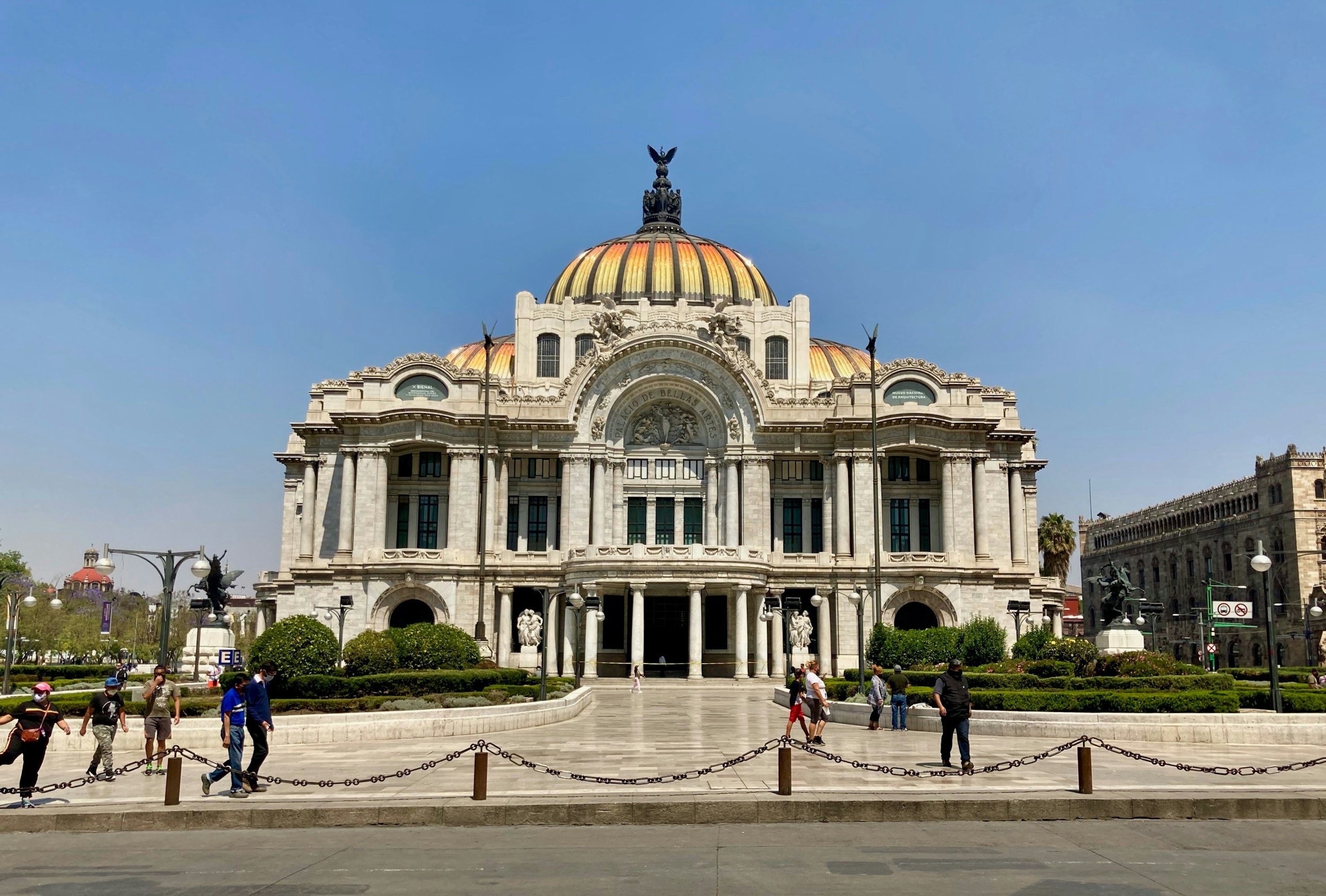
Ancestral Architecture, Reclaimed Memory, and the Language of Forgotten Civilizations
Entire cities of domes, palaces, and sculptural harmony were unveiled to the public—and then erased. The world fairs of the nineteenth century feel less like temporary exhibitions and more like inherited remnants of a forgotten civilization. Through the lens of Tartaria, modern mythic design becomes an act of remembrance, reclaiming architectural language that refuses to stay buried.
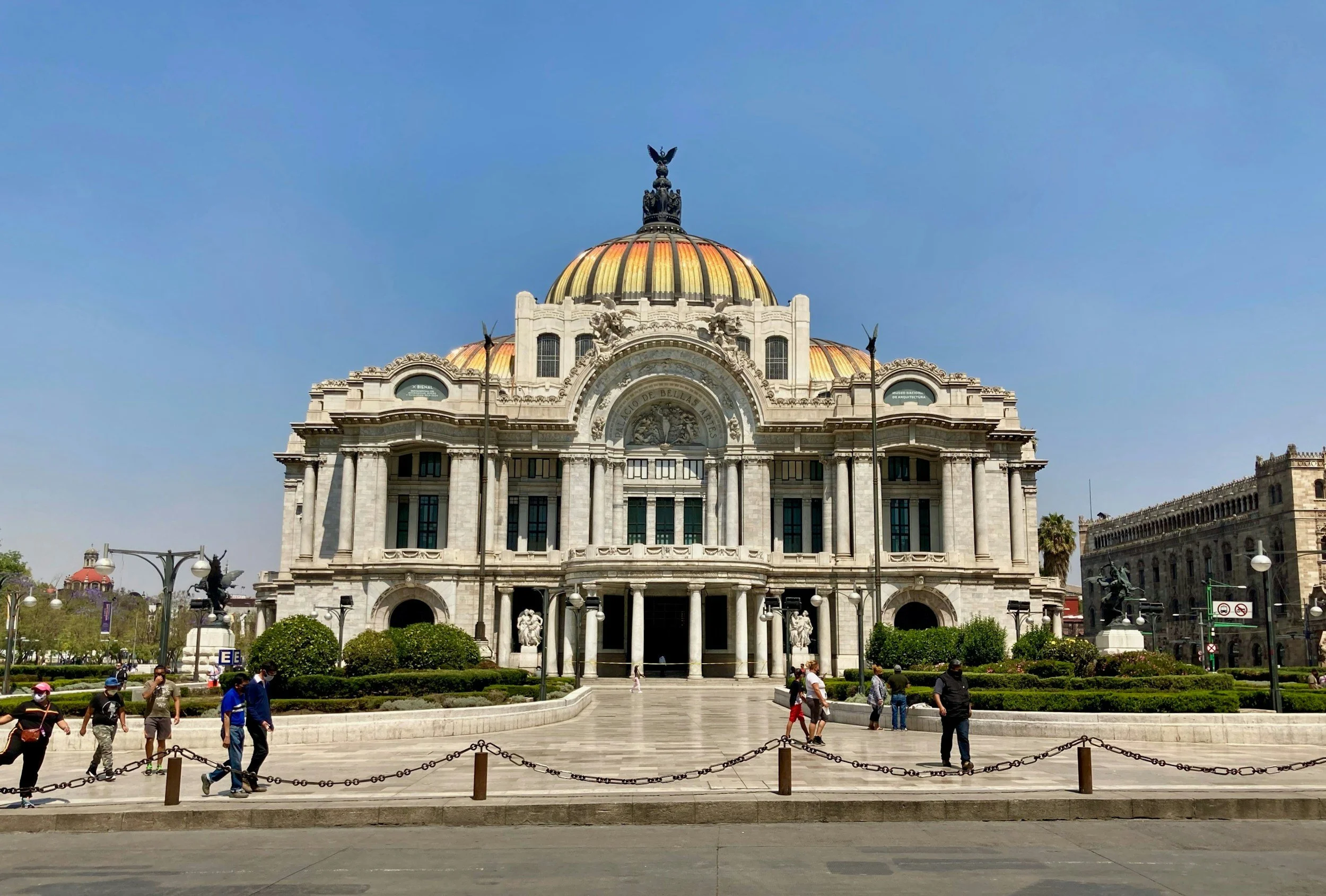
Tartaria’s Forgotten World Fairs
Vast palaces rose and vanished within a single generation. Domes crowned temporary cities of marble and light. The great world fairs of the nineteenth century linger like half-remembered dreams—too grand, too coherent to feel accidental. Through the mythic lens of Tartaria, these forgotten exhibitions become more than historical curiosities: they become invitations to question how beauty, memory, and imagination shape the worlds we build.
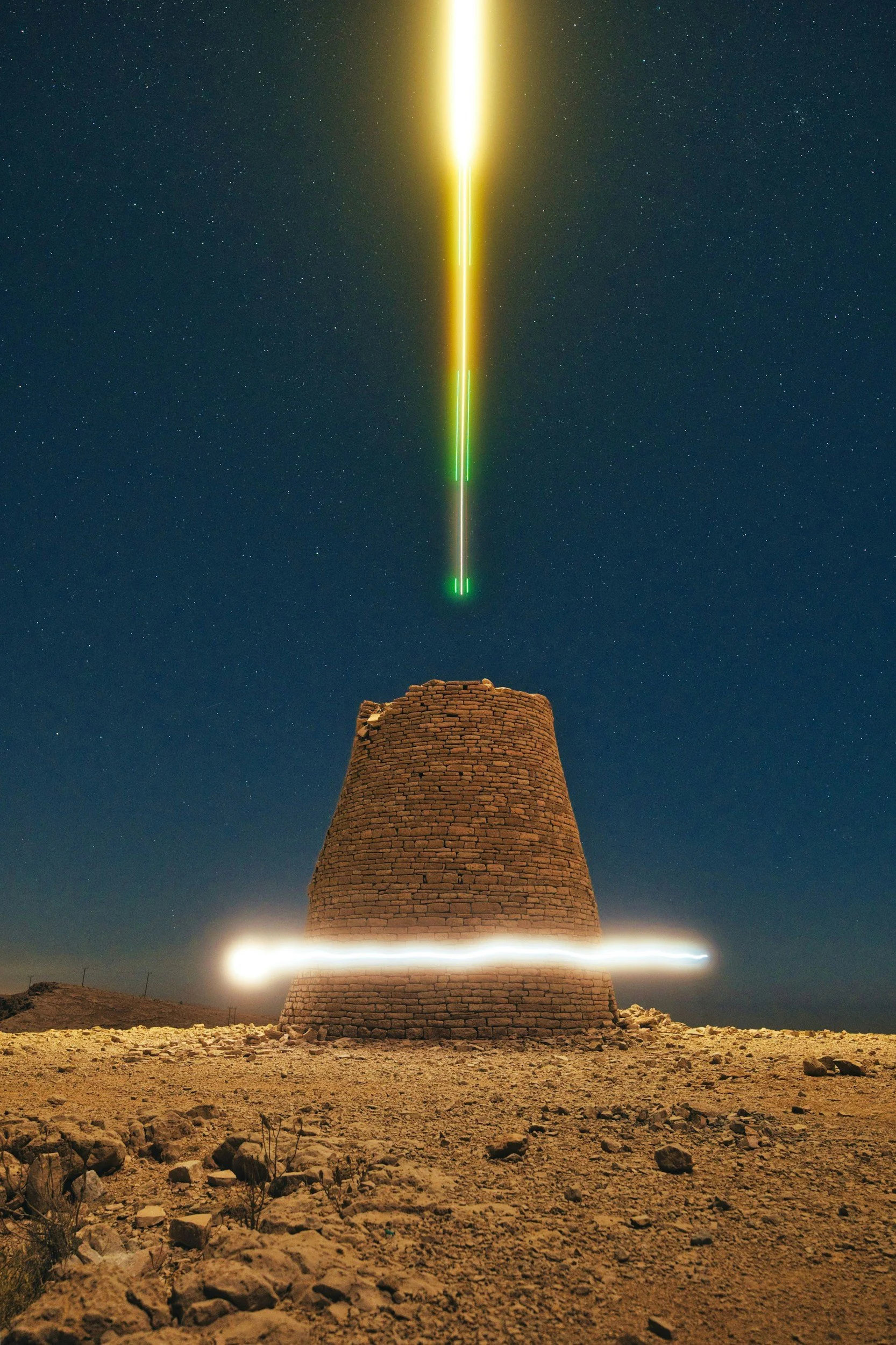
Power, Energy, and the Architecture of Resonance
Before power was extracted, it was aligned. Many older structures behave less like shelters and more like instruments — shaped by proportion, orientation, and resonance rather than force.

Tartaria and the Problem of Orphaned Architecture
Across continents stand buildings without clear ancestry — inherited structures folded into safer stories. When architecture outlives its explanation, history grows selective.
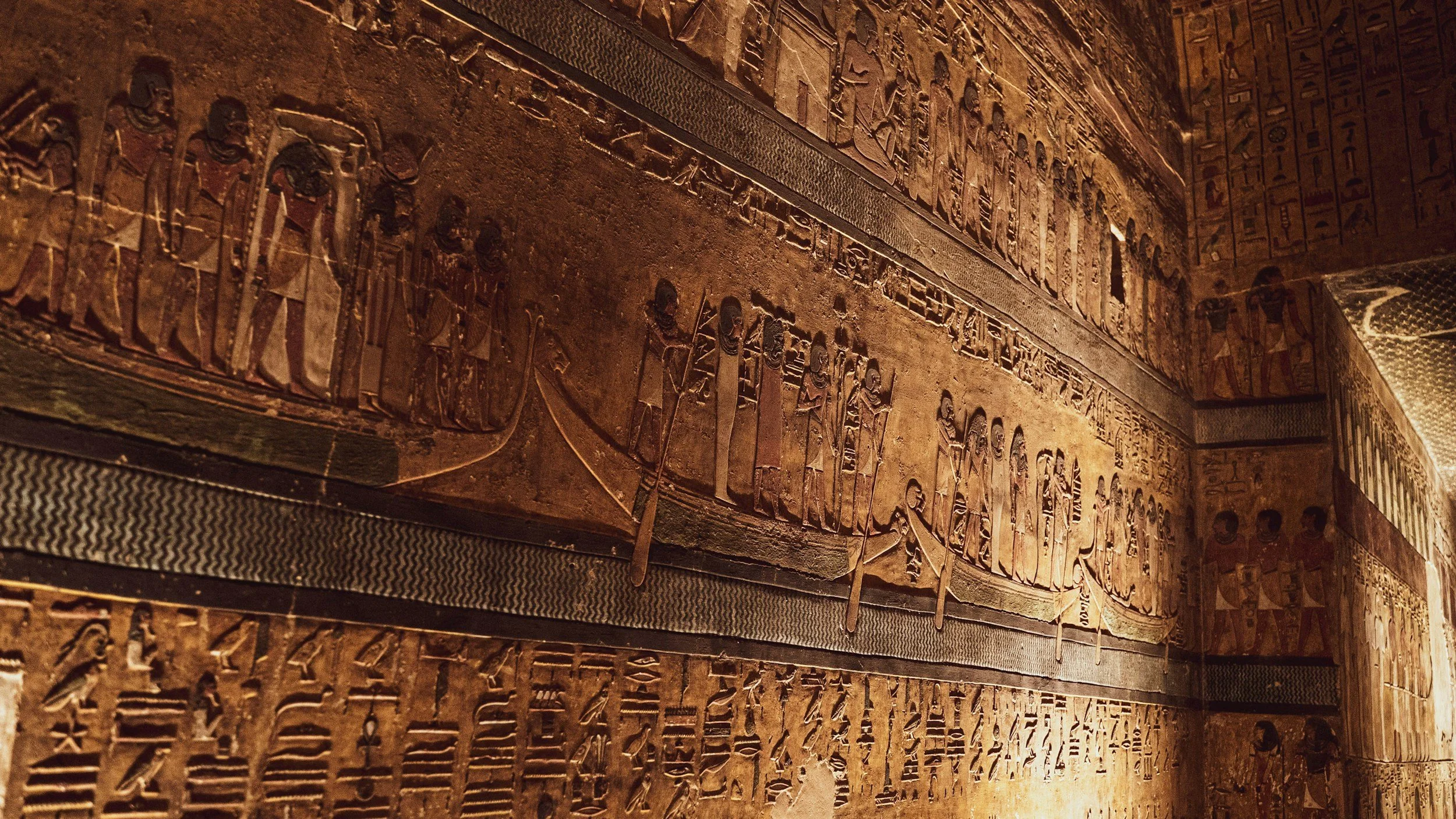
Lost Technologies and the Myth of Linear Progress
Progress is often treated as a law, but history shows cycles of loss as much as advancement. When context disappears, technology doesn’t vanish — it becomes unreadable.
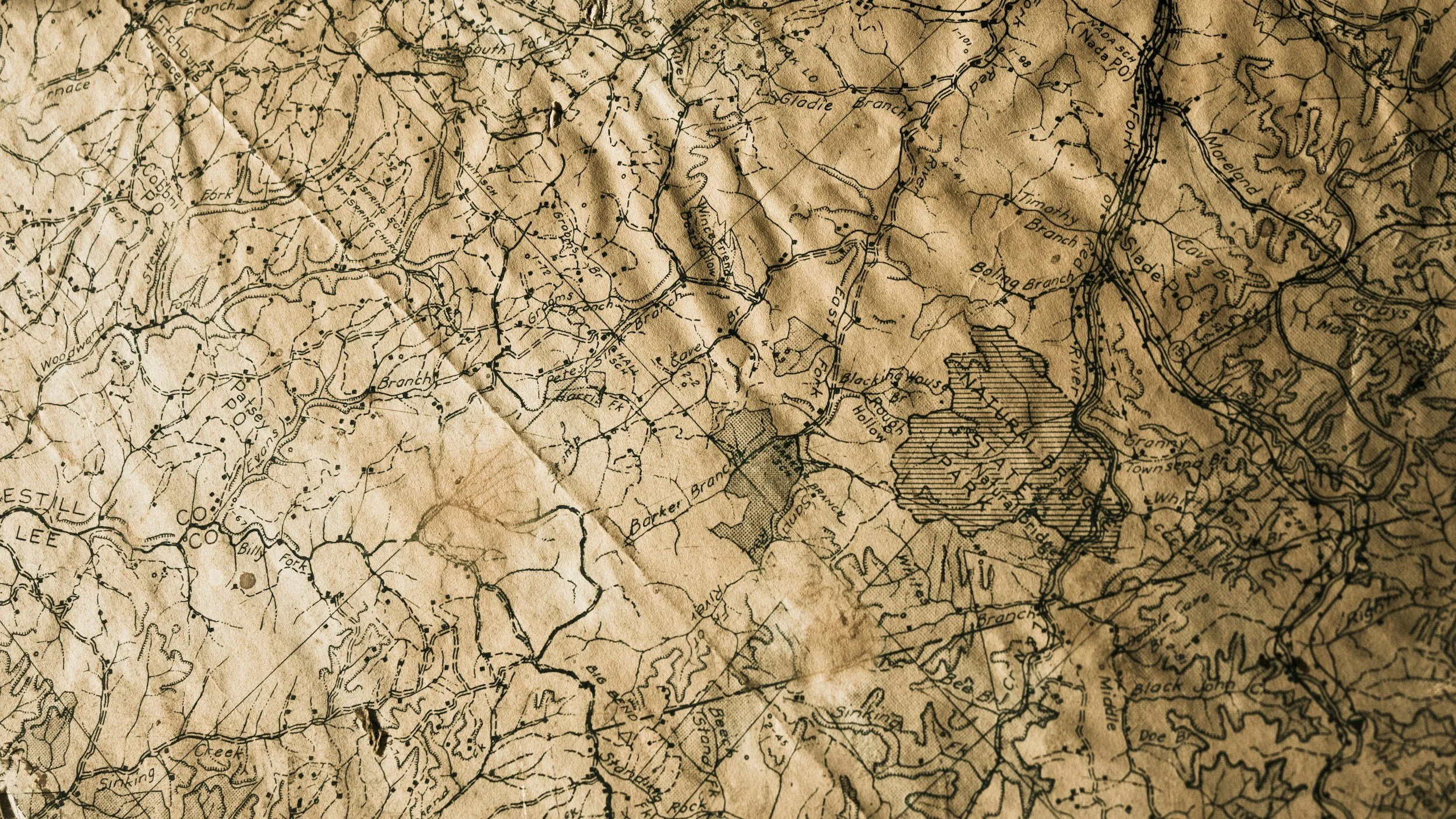
Why Exploration Quietly Stopped
Exploration didn’t end with discovery — it ended with agreement. Once the world was declared complete, curiosity became unnecessary and presence was quietly replaced by permission.

Ice Walls and the Architecture of Exclusion
Edges are rarely enforced by walls alone. They are maintained through narrative, restriction, and repetition — until curiosity itself learns where it is not supposed to go.
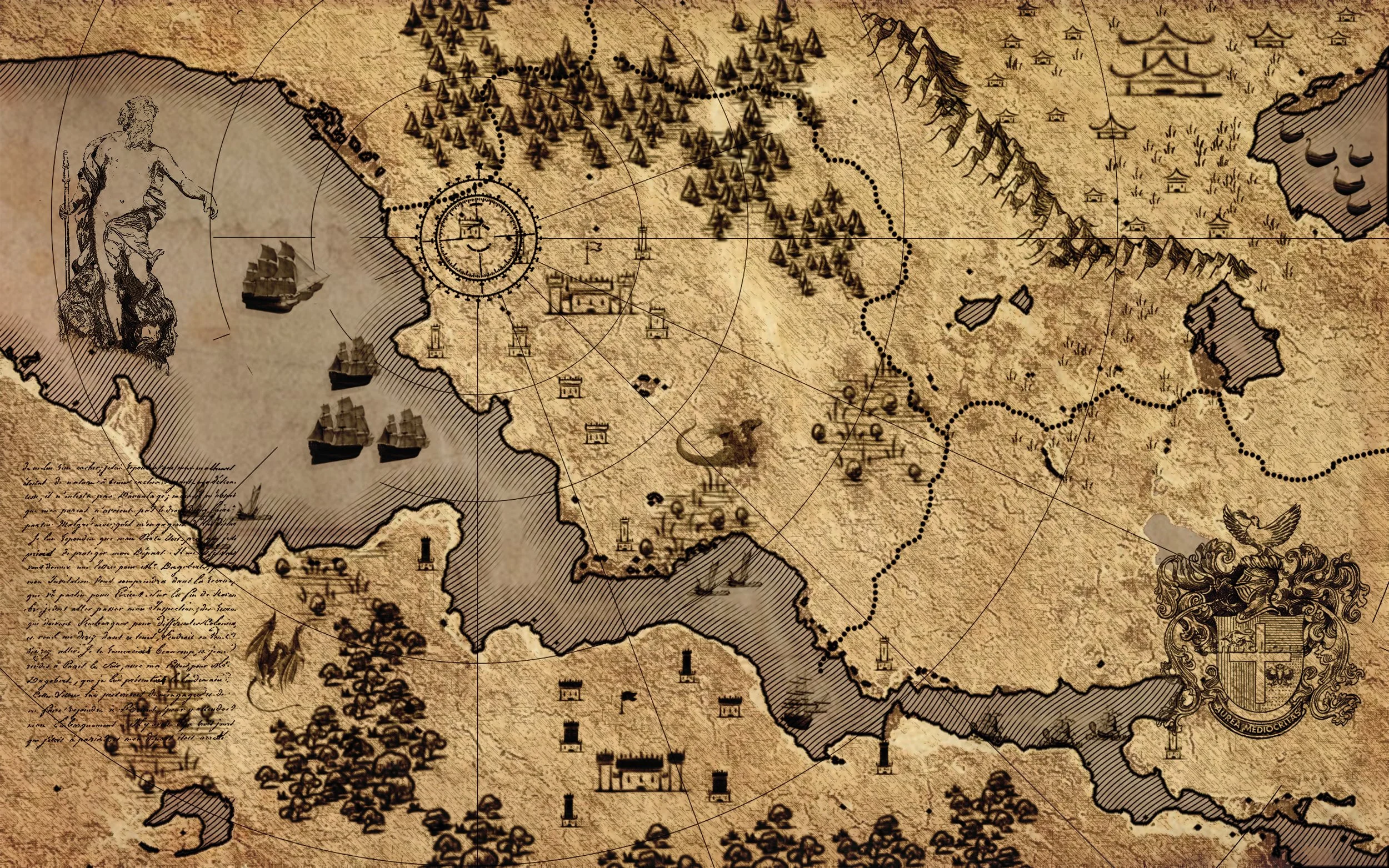
The Map Is Not A Territory (And Never Was)
Maps feel final because they are confident — but confidence is not truth. A map is an interpretation, not the world itself, and confusing the two quietly ends inquiry.
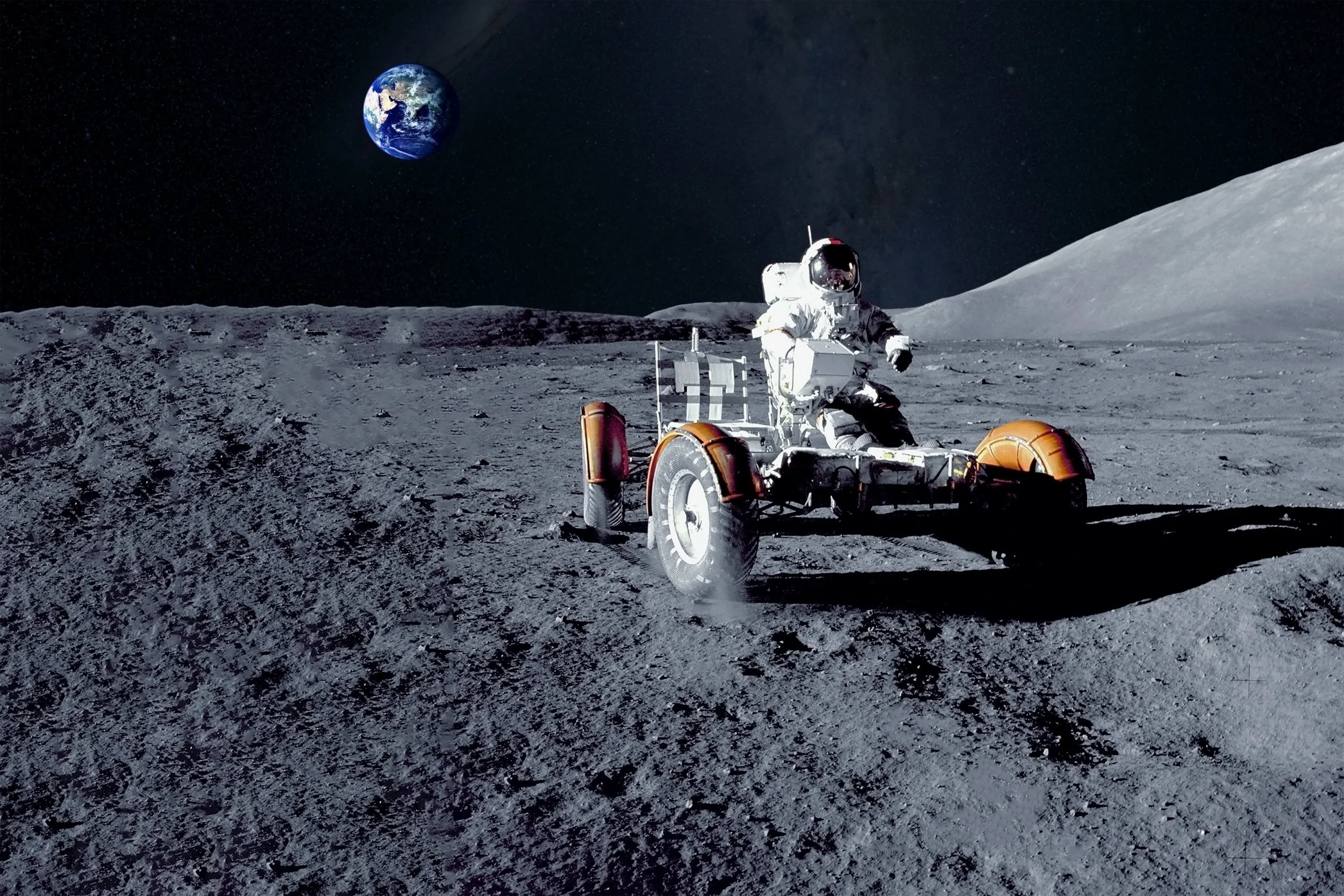
When Images Replaced Witness
Images feel immediate, authoritative, and complete — yet they arrive already framed. When images replace witness, belief no longer depends on experience, only acceptance.
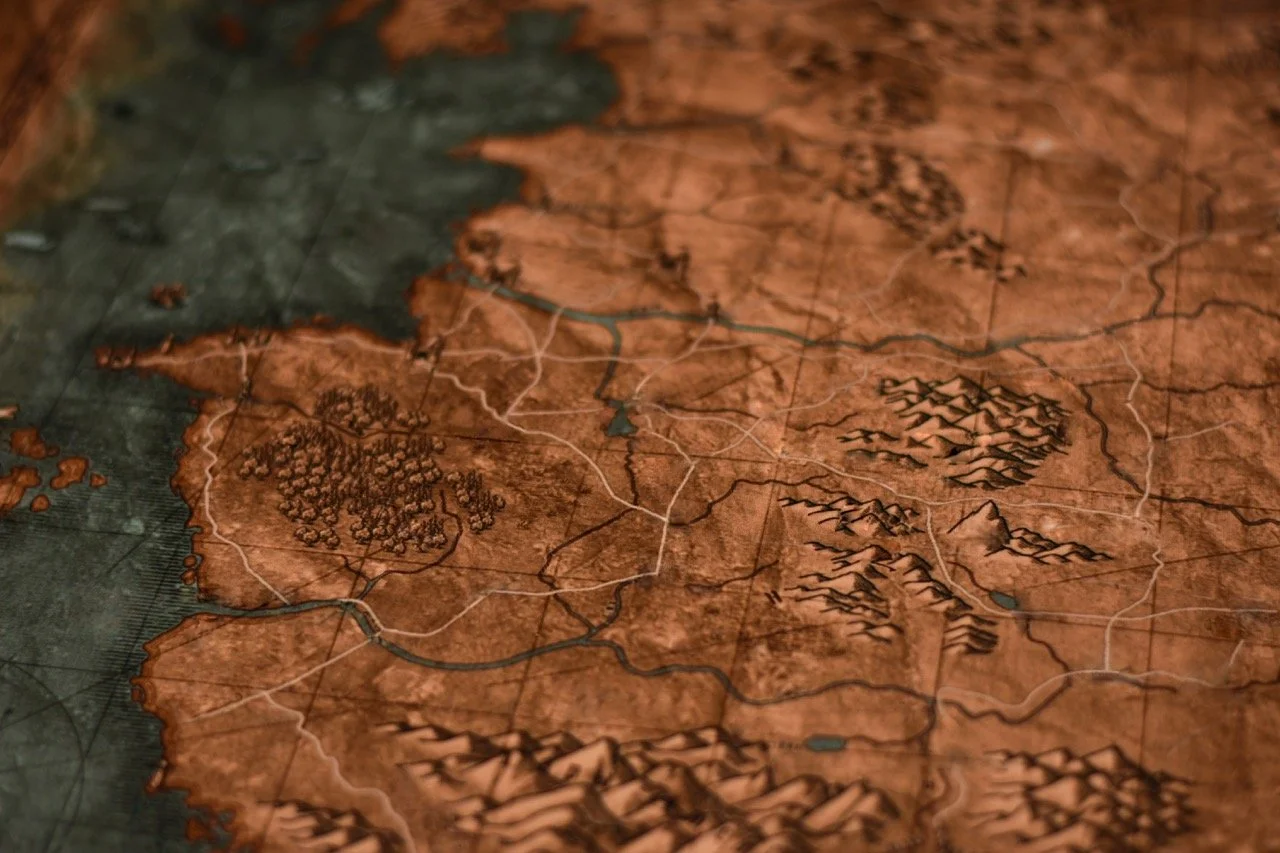
The Edge of The Map
Maps do not end where the world ends. They end where authority, documentation, or permission runs out. The edge of the map reveals how boundaries were enforced long before they were drawn.

The Sky Is a Clock
Before time was standardized and measured, it was observed. The sky functioned as a shared clock, marking rhythm through light, repetition, and celestial cycles.
From Symbol to Artifact
Symbols once carried knowledge through form, repetition, and use. Over time, some hardened into artifacts, preserving meaning long after their original context was lost.

What Was Lost When Time Was Standardized
Before clocks and time zones, time was read from the sky. The sun, moon, and stars shaped daily life, ritual, and meaning. As time became standardized, something subtle was lost — not efficiency, but attunement to the rhythms that once governed human experience.
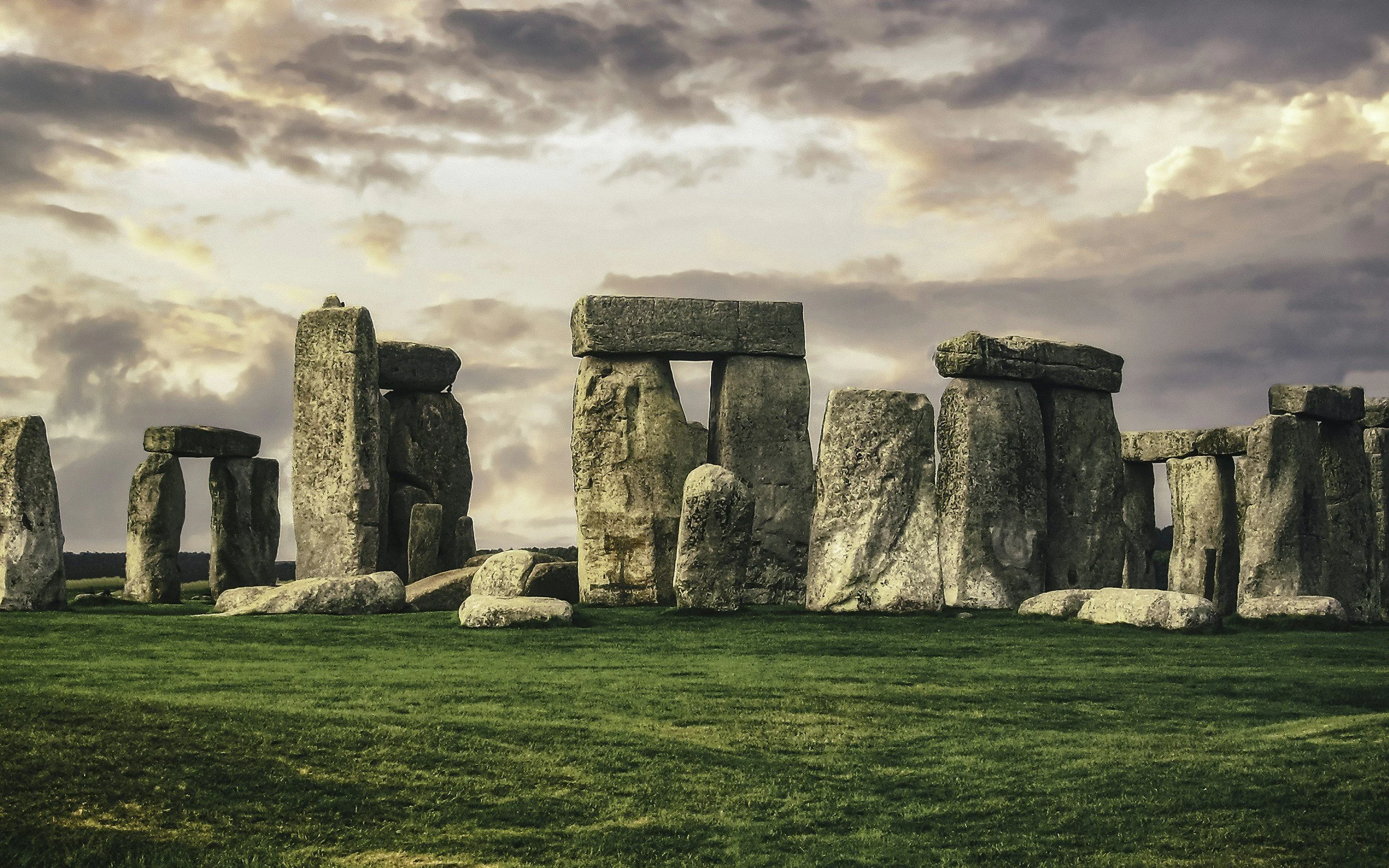
Why Ancient Structures align to the Sky
Across cultures and continents, ancient structures were deliberately aligned with the movements of the sky. Long before mechanical clocks or written calendars, architecture itself functioned as a tool for observing time, light, and celestial cycles.
The Center of the Map Is Never Accidental
Maps are not neutral tools. Every map encodes distortion shaped by authority, revealing who holds power, what is valued, and what is placed at the center of the world.

The Dome, the Firmament, and the Language of the Sky
Across cultures, the sky was described as structured rather than empty. The language of domes and firmaments shaped how time, movement, and meaning were observed overhead.